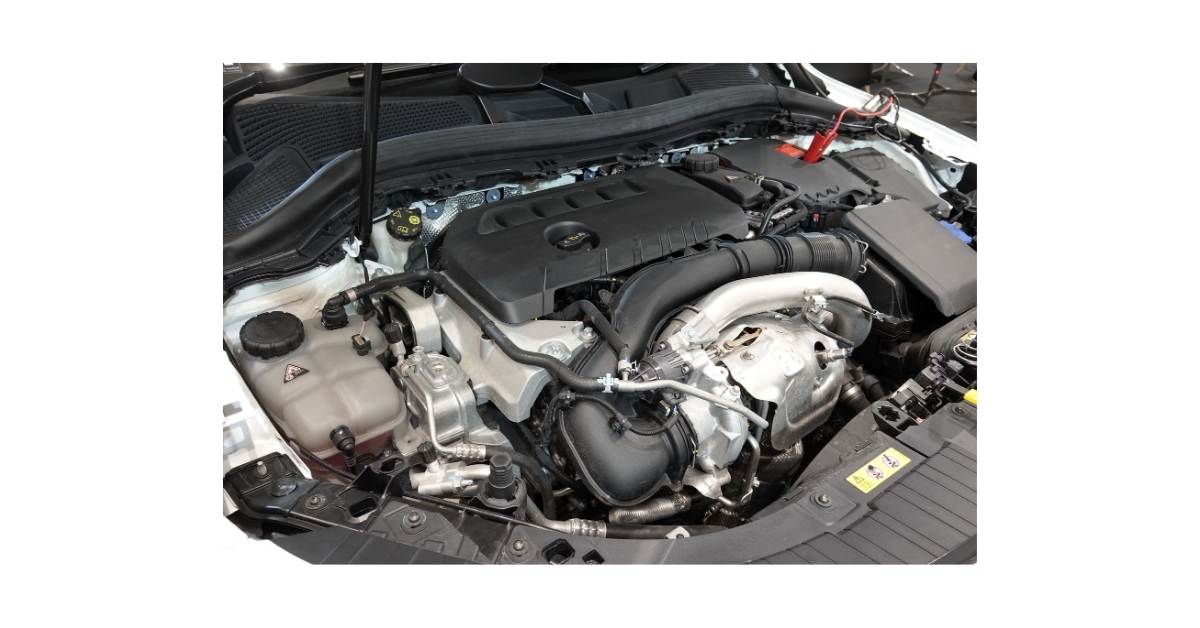

Ford and Its Influence on Modern Automotive Design
Ford has long been recognized as a cornerstone of the global automotive industry, shaping how vehicles are designed, manufactured, and maintained. From early mass production techniques to modern engineering innovations, Ford vehicles reflect a strong commitment to durability, performance, and practical usability. Today, Ford continues to serve a wide range of drivers by offering vehicles that balance mechanical strength with advanced technology, making the brand a trusted choice across different markets and driving needs.
The philosophy behind Ford vehicle development emphasizes real-world performance. Rather than focusing solely on theoretical efficiency or short-term trends, Ford engineers design vehicles that can withstand daily use, varying road conditions, and long-term ownership. This approach has helped Ford maintain a reputation for reliability while continuously adapting to evolving automotive standards.
Engineering Philosophy Behind Ford Vehicles
Ford engineering is built around the concept of strength combined with intelligent design. Engines, transmissions, and chassis systems are developed to deliver consistent performance under diverse operating conditions. This philosophy ensures that Ford vehicles remain dependable whether used for daily commuting, long-distance travel, or demanding workloads.
Another defining feature of Ford engineering is its focus on system integration. Engine management, transmission control, and safety systems are designed to work together seamlessly. This integration improves drivability, enhances fuel efficiency, and reduces mechanical stress. By prioritizing balanced engineering, Ford creates vehicles that perform predictably and reliably over time.
Powertrain Development and Performance Balance
Ford powertrains are designed to offer a wide spectrum of performance options. Efficient engines support fuel-conscious drivers, while higher-output configurations deliver the torque and power required for towing and heavy-duty applications. Advanced engine control systems manage combustion efficiency, helping maintain performance without excessive fuel consumption.
Transmission systems are tuned to complement engine characteristics. Automatic transmissions focus on smooth, timely gear changes, while advanced control logic adapts shift patterns to driving conditions. This coordination between engine and transmission highlights Ford’s emphasis on delivering a refined yet capable driving experience.
Reliability and Durability of Ford Vehicles
Reliability has been a defining trait of Ford vehicles for decades. Many Ford models are known for achieving high mileage when maintained properly. This durability is the result of extensive testing, conservative engineering margins, and the use of proven materials in critical components.
Regular maintenance plays a vital role in sustaining this reliability. Oil changes, fluid inspections, and timely replacement of wear components help ensure that Ford vehicles continue to operate as intended. Owners who follow recommended service schedules often experience fewer unexpected issues and enjoy a more predictable ownership experience.
Maintenance Considerations for Ford Models
Like all modern vehicles, Ford models require consistent maintenance to preserve performance and reliability. Engine systems depend on clean fluids and accurate sensor readings to function efficiently. Transmission systems also benefit from proper fluid condition and periodic inspections to prevent premature wear.
Electrical systems are increasingly important in Ford vehicles. Sensors, wiring, and control modules must communicate accurately to support engine management and safety features. Diagnostic checks help identify electrical or software-related issues early, preventing drivability problems and reducing repair costs.
Role of Diagnostics in Ford Vehicle Care
Modern Ford vehicles rely heavily on onboard diagnostics to monitor system health. Diagnostic tools provide access to fault codes and live data, allowing technicians to pinpoint issues with precision. This data-driven approach minimizes guesswork and supports efficient repairs.
Diagnostics also enable preventive maintenance by identifying trends in system behavior. Gradual changes in sensor readings or performance metrics can signal developing issues. Addressing these early helps maintain reliability and reduces the risk of major component failures.
Performance Characteristics Across Ford Lineups
Ford offers a diverse lineup designed to meet different performance expectations. Passenger cars and crossovers emphasize comfort, efficiency, and smooth handling. Trucks and larger SUVs focus on torque, towing capacity, and structural strength, supporting both work and recreational needs.

Performance-oriented Ford models demonstrate the brand’s engineering capabilities. Enhanced suspension tuning, responsive steering, and refined power delivery create a dynamic driving experience. These characteristics appeal to drivers who value both capability and control in their vehicles.
Technology Integration in Ford Vehicles
Technology integration is a key aspect of modern Ford design. Advanced driver-assistance systems, infotainment platforms, and connectivity features enhance safety and convenience. These systems are designed to integrate seamlessly with core vehicle functions, maintaining reliability while improving user experience.
Engine and transmission control technologies benefit significantly from this integration. Real-time data processing allows Ford vehicles to adjust performance based on driving conditions. This intelligent control supports efficiency, comfort, and long-term component protection.
Ownership Experience and Cost Efficiency
Ford vehicles are often associated with accessible ownership costs. A widespread service network and readily available parts make maintenance and repairs more convenient. This accessibility reduces downtime and helps owners manage long-term expenses effectively.
Fuel efficiency also contributes to ownership satisfaction. By optimizing powertrain performance, Ford vehicles deliver competitive fuel economy across different segments. Over time, these efficiency gains translate into lower operating costs and improved environmental impact.
Aftermarket Support and Parts Availability
The popularity of Ford vehicles has created a strong aftermarket ecosystem. Replacement parts, maintenance components, and performance upgrades are widely available. This support allows owners to maintain or customize their vehicles according to individual needs.
Aftermarket availability also supports long-term ownership. As vehicles age, access to quality replacement parts ensures that Ford models remain serviceable and reliable. This availability reinforces the brand’s reputation for practicality and durability.
Understanding Ford Vehicle Categories
Ford vehicles span multiple categories, each designed for specific use cases. Compact and midsize vehicles focus on efficiency and everyday usability. SUVs provide versatility and comfort, while trucks emphasize strength and towing capability.
Learning about different models and their characteristics helps owners make informed decisions. Resources such as Ford offer structured insights into various Ford vehicle categories, covering performance traits, maintenance considerations, and common issues.
Long-Term Value and Resale Strength
Ford vehicles often maintain solid resale value due to brand recognition and reliability. Buyers tend to trust vehicles known for durability and manageable maintenance. Documented service history further enhances resale appeal and buyer confidence.
Ease of repair also influences long-term value. Ford’s extensive service network ensures access to skilled technicians and parts. This reduces ownership risk and contributes to a positive long-term experience.
Environmental Responsibility and Efficiency
Ford continues to refine engine efficiency and emission control systems to meet evolving regulations. Improved combustion management and precise fuel delivery help reduce emissions without sacrificing performance. These efforts align with global environmental goals while maintaining practicality.
Efficient vehicle operation benefits both owners and the environment. Lower fuel consumption reduces operating costs and supports sustainability. Ford’s focus on efficiency ensures its vehicles remain relevant in a changing automotive landscape.
Knowledge and Awareness for Ford Owners
Understanding how Ford vehicles operate empowers owners to take a proactive approach to maintenance. Recognizing early warning signs and following service recommendations helps prevent costly repairs. Informed ownership leads to greater confidence and reliability.
Educational platforms like Ford provide valuable information on vehicle systems, maintenance practices, and performance optimization. Access to accurate knowledge supports smarter decisions and long-term vehicle health.
Ford as a Practical and Enduring Automotive Brand
Ford’s enduring success is rooted in its commitment to strong engineering, reliability, and continuous improvement. By combining proven mechanical design with modern technology, Ford vehicles meet the needs of diverse drivers and applications.
With proper care and informed ownership, Ford vehicles deliver consistent performance, long-term value, and dependable service. This balance of strength, innovation, and practicality ensures that Ford remains a trusted name in the automotive world.