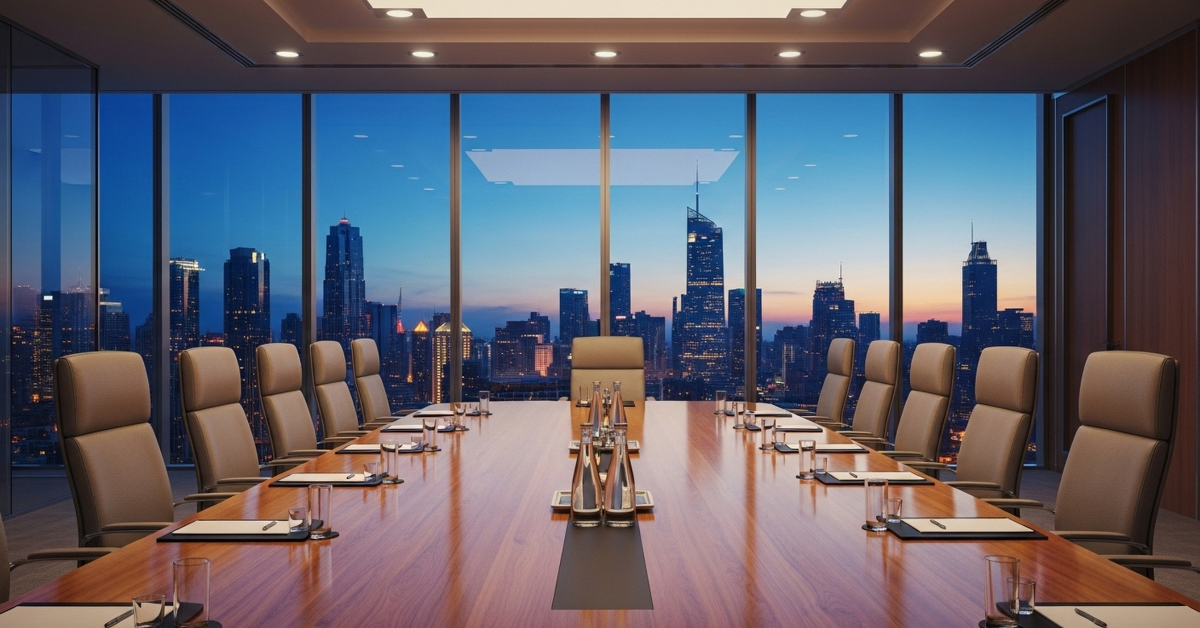

A well-designed workspace reflects the values, culture, and standards of a company. Among all the furniture pieces present in a leadership room, the Executive Table holds the most visual and functional significance. It sets the tone for meetings, influences productivity, and creates a professional impression among clients, investors, and employees. Modern office design is rapidly evolving, pushing businesses toward ergonomic layouts, minimalistic setups, and high-performance furniture that supports long working hours. In this detailed guide, we explore how the right executive desk transforms a workspace, what materials and configurations matter, and how businesses can maximize value when investing in premium executive furniture.
The executive desk has traditionally represented authority, decision-making, and organizational command. Today, it also serves as a collaborative tool, a technological platform, and a storage hub for sensitive documentation. For CEOs, directors, and department heads, the desk must be more than visually appealing. It must offer efficiency, comfort, durability, and adaptability to modern business tools such as dual monitors, digital notepads, wireless hubs, and virtual meeting accessories. Proper selection of executive furniture reduces clutter, enhances posture, supports multitasking, and reflects serious professionalism during negotiations or strategic discussions.
Executives often operate under tight schedules, handling financial documents, talking to stakeholders, and coordinating with internal teams. Without a structured desk system, work can become disorganized. That is why modern executive desks integrate advanced storage, cable management, surface protection, and ergonomic shapes to keep workflow smooth. A polished desk environment also improves first impressions. Clients entering a CEO’s room evaluate corporate discipline subconsciously by viewing office design, cleanliness, and spatial layout. An executive workspace with refined furniture immediately communicates credibility and success.
Corporate interior designers emphasize that leadership spaces require personal comfort, privacy, and controlled acoustics. Therefore, the executive desk is usually placed at a strategic location inside the room—often facing the door to maintain visibility and authority. The chair-to-desk spacing, lighting, surface finish, and meeting chairs around the desk must work harmoniously. A mismatched combination can break visual balance and make the environment feel either too strict or too informal. The desk itself becomes the focal point, influencing how the rest of the décor is chosen.
Features That Matter When Choosing an Executive Desk
Modern organizations do not select executive desks randomly. They focus on several high-impact features that determine usability and performance.
One of the most important elements is surface area. Executives frequently need space for monitors, laptops, telephones, meeting documents, writing pads, and decorative items. A restricted surface slows down work and creates unnecessary clutter. Larger desks provide separation zones: one for digital operations and one for paperwork or in-person discussion. This separation improves productivity and reduces distractions.
Storage integration is another essential characteristic. Executive desks today come with drawers, filing compartments, lockable cabinets, and sliding shelves. Locking mechanisms protect business-critical materials such as contracts, compliance papers, acquisition files, and confidential financial reports. Keeping everything within reach reduces time wasted while switching between tasks and makes the workspace look more organized.
Ergonomics also play a major role. Poor desk height can cause back pain, neck stiffness, and wrist strain. A premium executive desk ensures correct posture alignment so that the body remains comfortable during long strategic sessions. Some modern variants offer adjustable height or curved desk fronts to support natural arm positioning. Executives who often host virtual meetings require camera-friendly setups where the desk supports proper device placement for professional on-screen appearances.
Technology integration cannot be ignored. With constant reliance on laptops, chargers, routers, and wireless accessories, wires can become a visual burden. Modern executive desks use hidden compartments, cable grommets, USB hubs, and socket organizers to keep everything tidy. This not only enhances appearance but also protects cables from damage. Offices investing in clean technology integration appear more futuristic and disciplined.
Understanding Materials and Their Effects
Executive desks are available in a wide variety of materials, each creating a distinct atmosphere. Solid wood desks, often made from oak, walnut, mahogany, or teak, convey luxury and authority. They are durable, heavy, and elegant, often chosen for CEO cabins and board members. However, they require careful maintenance and are more expensive.
Engineered wood alternatives such as MDF and HDF offer modern color variations and durability at a more affordable cost. They resist moisture and warping better than solid wood in certain environments. Laminated surfaces add scratch resistance and come in minimalist shades like matte black, white, or textured grey.
Glass-top executive desks pairing metal frames with tempered glass reflect modernity and sophistication. They suit corporate firms, creative agencies, and tech-driven environments. However, they require frequent cleaning to maintain a spotless appearance.
Some designs mix metal structures with wooden tops, combining industrial aesthetics with classical tones. This balance makes them suitable for business leaders who value utility and modern style at once.
Below is a simplified comparison to understand differences:
| Material | Durability | Professional Appeal | Maintenance | Typical Use |
|---|---|---|---|---|
| Solid Wood | Very High | Traditional, Luxurious | Moderate | CEO, Directors |
| Engineered Wood | High | Contemporary, Versatile | Low | Managers, Heads |
| Laminate | Medium | Color Flexible | Very Low | Growing Companies |
| Metal + Wood | High | Industrial Modern | Low | Tech & Agencies |
| Glass + Metal | Medium | Sleek, Urban | High | Creative Leadership |
Desk Shapes and Their Functional Purposes
Executive desks are manufactured in several shapes and formats to suit different types of leadership roles.
Corner desks and L-shaped designs are excellent for multitaskers. One segment can hold computing tools while the other welcomes visitors or supports writing tasks. This shape maximizes efficiency in medium-sized rooms and supports dual-monitor setups, printers, and filing trays.
U-shaped configurations create a control center around the executive. They are often selected for professionals handling extensive documentation such as legal heads, finance directors, and administrative chiefs. Storage comes integrated along multiple sides, reducing movement and saving time.
Straight desks provide simplicity and are perfect for offices with separate storage cabinets or minimal digital requirements. They offer an open feel and encourage direct conversation, which works well for creative roles or client-facing leadership.
Height-adjustable executive desks are gaining popularity for health-conscious leaders. Alternating between sitting and standing reduces fatigue and improves energy levels. Many companies are incorporating these models to prevent posture-related issues.
How the Executive Desk Enhances Leadership Communication
Workspace arrangement affects communication psychology. When an executive sits behind a structured desk with an uncluttered surface, discussions become more focused and respectful. Clients take negotiations more seriously. Employees feel comfortable but aware of formal boundaries.
A messy desk can send the wrong message, suggesting disorganization or lack of preparation. Strategic placement of meeting chairs near the desk fosters collaborative dialogue. Video conferences can also be influenced by desk layout. A proper backdrop, controlled lighting, and adequate elevation create polished appearances during remote meetings.
Aesthetic Impact and Corporate Branding
Modern companies must consider brand identity beyond marketing materials. Interior design is part of branding. Matching furniture sets, coordinated textures, and consistent color themes reinforce brand persona. If the company aims for luxury, dark wood finishes and leather seating may be suitable. If it promotes innovation, industrial metal frames with clean lines may be more appropriate.

Plants, desk accessories, digital clocks, and soft lighting can personalize executive spaces. However, minimalism is preferred in modern design because it communicates clarity, intention, and discipline.
Security, Documentation and Workflow Control
Executives handle sensitive and classified information. Secure storage within the desk prevents unauthorized access. Lockable compartments and heavy-duty drawers protect documents from theft or accidental exposure. Workflow improves when files, signatures, envelopes, and digital equipment are organized properly.
Many leadership roles involve signing contracts or reviewing documents with stakeholders. A desk providing enough surface space for two or three viewers enables smooth discussions without discomfort. Space planning therefore becomes essential.
Smart Buying Considerations for Businesses
Organizations investing in executive desks should evaluate room dimensions, lighting positions, existing furniture pieces, and cable routing systems. The ideal desk should align with corporate culture, personal working style, and future expansion plans. Warranty, installation services, maintenance support, and customization options add long-term value.
Not all leadership spaces require luxury furniture. Some demand modern minimalism. Therefore, decision makers should identify whether visual impression, ergonomic support, technological integration, or storage density is their priority.
Why Quality Matters in Leadership Furniture
High-quality desks last longer, resist stains, handle heavy equipment, and protect surfaces. Cheap furniture may bend, chip, or wobble over time, interrupting work and damaging brand credibility. Poor ergonomic design can cause health issues that affect decision-making energy.
Quality furniture is a strategic investment in leadership efficiency, organizational stability, and modern corporate identity. Companies that care about workspace design also tend to attract better talent, because employees value environments that respect their comfort and professionalism.
Leadership rooms often include meeting chairs, bookshelves, side cabinets, and décor pieces that need to blend with the executive desk. Buying mismatched furniture disrupts harmony and professional feel.
Final Perspective on Modern Executive Desk Design
Modern executive desks are multifunctional platforms that support leadership roles, enhance workspace culture, and modernize corporate identity. They improve productivity, encourage organized thinking, support advanced technology, and impress stakeholders visiting the office. An investment in quality office furniture reflects long-term vision and commitment to professional standards.
For leaders and organizations seeking durable, spacious, and stylish workspace solutions, the modern Executive Table collections offer professional aesthetics, efficient storage, ergonomic design, and premium materials suitable for directors, CEOs, and departmental heads. These desks serve as the central command point of leadership, shaping daily workflow and enhancing brand perception.
A well-chosen Executive Table becomes more than just a workstation. It becomes a symbol of authority, a hub of communication, and a strategic asset that strengthens decision-making capabilities and elevates the quality of professional interactions within the corporate environment.